Featured post

SalaamOne سلام

SalaamOne ,  سلام   is a nonprofit e-Forum to promote peace among humanity, through understanding and tolerance of religions, cu...

Showing posts with label Corruption. Show all posts

The rise and rise of Kaptaan


The rise of Imran Khan from the world of cricket to the driving seat of Pakistan’s generally dynastic, feudal politics is the biggest change we have witnessed in decades. The November 30 rally in Islamabad, the biggest ever by the kaptaan, and the largest ever by any political leader, present or past, speaks a lot about the growing public support for him in every corner of the country. The rallies he has held in other cities of Punjab and Sindh have been very successful, more in Punjab in terms of numbers. In many ways, he has changed the political culture of Pakistan by raising awareness about the major problems Pakistan faces from widespread corruption by the elite to governance crisis and poor investment in education and health.

The conventional parties and their leaders have taken refuge in ‘saving democracy’, showing their majority in parliament and by closing their ranks against kaptaan’s agitation politics. Unable to defend themselves effectively by counterargument or evidence, failing to contradict what the PTI says about their character of politics and misuse of power and national resources, they have hoped that agitation will cause his politics to taper off. As appears from the recent public rallies, neither is the kaptaan tired and nor are his generally young supporters. Rather, the excitement and commitment to changing the functioning of the political order are on the ascent.
Something the old parties are missing in their understanding, or deliberately turning a blind eye to, is the distrust of the middle class, both urban and rural and its unprecedented politicisation. This is, perhaps, the major factor that accounts for the growing popularity of the kaptaan. The leaders of the dynastic parties have nothing to offer to this disillusioned class. With more urbanisation, the political power and influence of this class has grown a great deal. At the moment, this class is solidly with the PTI.
The second important factor that explains the rise of leaders in every competitive, democratic polity is their credibility. The question that is always on the minds of the people is: can they trust them? People in the democratic politics of the two major parties, the PML-N and the PPP have mattered very little, if at all. They have substituted genuine support of the people with building elite networks, the exclusive clubs of political families. In doing so, never were they alive to the changing political reality of Pakistan: increasing distrust in the ruling dynasties and new voices of change that the media and social discourses have popularised. For long, they have lost touch with the political reality of  a quietly changing Pakistan. On the other hand, people listen to and believe Imran Khan. He has etched a place deep in their political imagination for the better future of the country.
Finally, there is the political message of the kaptaan that has made great political waves in the country. Consistently, for years, he has focused on merit, transparency in government affairs, accountability and responsible governance. Sick and tired of systematic corruption, bad governance, and undocumented accumulation of wealth by powerful sections of society, the general public appears to be embracing his politics and leadership as the best hope for real change.
Furthermore, there are two significant things, in my view, about the rise of kaptaan: his de-legitimisation of old politics and trust in the people’s ability to change what he calls the corrupt and dysfunctional political system. He shows beaming confidence in his own ability to change Pakistan and rebuild the fractured ties between the state and society. The idiom has gone viral — the only cure is change itself.
By Rasul Bakhsh Rais: The writer is a security and political analyst and works at the Institute of Strategic Studies, Islamabad
Published in The Express Tribune: http://tribune.com.pk/story/800722/the-rise-and-rise-of-kaptaan/


کپتان کی بلندی

کرکٹ کی دنیا پر راج کرنے والے کپتان، عمران خان کا پاکستان کی موروثیت اور جاگیرداری کے پنجوں میں جکڑی ہوئی سیاست کے افق پر ابھرتے ہوئے اس کا اہم ترین کھلاڑی بننا اور حالات و واقعات پر اپنی گرفت جمانا گزشتہ کئی دہائیوں کے دوران رونما ہونے والی وہ اہم ترین تبدیلی تھی جس کا ہم نے شاید ہی کبھی مشاہدہ کیا ہو۔ اس تیس نومبر کو اسلام آباد ریلی، جسے بلاشبہ کپتان ، بلکہ اسلام آباد میں ماضی یا حال میں کسی بھی رہنما کی سب سے بڑی ریلی قرار دیا جاسکتا ہے، سے اس تاثر کی تصدیق ہوئی کہ ملک میں عمران خان کی حمایت میں کمی کی بجائے اضافہ ہورہا ہے۔ اس سے پہلے اُن کی طرف سے پنجاب اور سندھ کے مختلف شہروں میں منعقد کی جانے والی ریلیاں کامیابی کے نئے ریکارڈ قائم کرچکی ہیں۔ ان میں خاص طور پر پنجاب میں کیے جانے والے جلسوں میں شرکا کی تعداد حیران کن حد تک زیادہ تھی ۔ عمران کے ناقدین کے علاوہ اُن کے حامی بھی اتنی بڑی کامیابیوں کی توقع نہیں کررہے تھے۔ اُنھوں نے پاکستان کے اہم ترین مسائل، جیسا کہ طبقۂ اشرافیہ کی ہوشربا حد تک بڑھتی ہوئی بدعنوانی، سرکاری وسائل کی لوٹ مار، اقربا پروری، ناقص حکمرانی اور تعلیم اور صحت کے عوامی منصوبوں میں افسوس ناک حد تک کم سرمایہ کاری ، کو اجاگر کرتے ہوئے پاکستان کے سیاسی کلچر کو تبدیل کردیا ۔ 
جس دوران سیاسی میدان میں عمران خان کی یلغار جاری ہے، روایتی سیاسی جماعتوں نے ''جمہوریت کے بچائو‘‘ کی ڈھال کے پیچھے پناہ لینے میں ہی عافیت گردانی۔ اُنھوں نے پارلیمنٹ میں اپنی اکثریت دکھائی اور کپتان کی احتجاجی سیاست کے خلاف متحد ہو کر صف بندی کی پالیسی اپنائی؛ تاہم عمران کی بڑھتی ہوئی مقبولیت نے اُن کے ہاتھ سے پیش قدمی کا موقع چھین کر اُنہیں دفاعی قدموں پر لا کھڑ ا کیا۔درحقیقت اُن کے پاس پی ٹی آئی کے اس نعرے کا کوئی توڑ نہیں کہ روایتی سیاسی جماعتیں اپنے عہدے اور اختیار سے ناجائز فائدہ اٹھا کر لوٹ مار کرتی ہیں، تاہم اُنہیں امید تھی کہ عمران خان احتجاج کا ٹمپو برقرار نہیں رکھ پائیں گے اور دھرنے اور احتجاجی جلسے رفتہ رفتہ دم توڑ جائیں گے۔ تاہم موجودہ جلسوں نے اُنہیں چکرا دیا ہے کیونکہ نہ تو کپتان میں تھکاوٹ کے آثار دکھائی دیے اور نہ ہی ان کے نوجوان حامیوں میں۔ اس کی بجائے سیاسی نظام کو بدلنے کے نعرے بلند سے بلند ہوتے گئے ۔ یہ صورت ِحال دیگر سیاسی جماعتوں کے وہم وگمان میں بھی نہ تھی۔ آج سے سو دن پہلے کوئی بھی موجودہ صورتِ حال کی توقع نہیں کررہا تھا اور نہ ہی اس کے لیے ذہنی طور پر تیار تھا۔ کیا ہم ایک نئی قسم کے سیاسی اور سماجی انقلاب کی طرف بڑھ رہے ہیں؟ 
پاکستان کی روایتی سیاسی جماعتیں اس صورت ِحال کی تفہیم کرنے میں ناکام رہیں ، یا پھر اُنھوں نے جان بوجھ کر پاکستان کے درمیانی طبقے اور اس میں اٹھنے والی اس بے مثال تحریک سے اغماض برتنے کی پالیسی جاری ۔ جب عوا م نے دیکھا کہ یہ روایتی سیاسی جماعتیں اُن کے مسائل اور شکایات سے لاتعلق ہیں تو وہ کپتان کے پلڑے میں اپنا وزن ڈالتے گئے۔ وقت گزرنے کے ساتھ ساتھ ان کی مقبولیت میں اضافہ ہوتا گیا۔ اب حال یہ ہے کہ خاندانی سیاست پر مبنی جماعتوں کے پاس حقائق پسند عوام کے سامنے رکھنے کے لیے کچھ نہیں بچا۔ تعلیم کے فروغ اور شہری علاقوں میں عوام کے آباد ہونے کے عمل نے ہنرمند اور ملازمت پیشہ افراد پر مشتمل درمیانے طبقے کی وقعت کو بڑھا دیا ہے۔ کل کا علم نہیں لیکن آج اس طبقے کی اکثریت پی ٹی آئی کے ساتھ ہے۔ 
جمہوری سیاست میں رہنمائوں کی سربلندی میں ان کی ساکھ اور اس کے عوام کی نگاہوں میں مثبت تاثر کی بہت اہمیت ہے۔ یہ سوال ہمیشہ سے عوام کے ذہن میں رہتا ہے کہ کیا وہ اپنے رہنمائوں پر اعتماد کرسکتے ہیں؟ہمارے زمینی حقائق یہ کہتے ہیںکہ دونوں بڑی سیاسی جماعتوں، پی پی پی اور پی ایم ایل (ن)کے نزدیک عوام کی بہت کم اہمیت پائی گئی ہے۔سیاسی عمل میں عام آدمی کو اہمیت دینے کی بجائے اُنھوں نے قابل ِ انتخاب سیاسی خاندانوںکے نیٹ ورکس سے تعلق رکھنے والے افراد کے ذریعے سیاسی کامیابی حاصل کرنے کی کوشش کی۔ تاہم ایسا کرتے اور انتخابات جیتتے، ہوئے وہ پاکستان میں بتدریج رونما ہونے والی سیاسی تبدیلی پر نظر نہ رکھ سکے، یا اپنی کامیابیوں کے زعم میںنظر انداز کرگئے۔ اس تبدیلی کا محور خاندانی اور موروثی سیاست سے بیزاری اورتبدیلی کے نعرے، جسے میڈیا اور سماجی بیداری نے مہمیز دیا ،کی عوامی حلقوں میں پذیرائی ہے۔ کچھ عرصے سے یہ روایتی جماعتیں اُس سیاسی حقیقت سے خود کوہم آہنگ کرنے میں ناکام ہیں جو پاکستان میں سرائیت کرتی جارہی ہے۔ اس کے برعکس، عمران خان اس تبدیلی کے داعی بن کر میدان میں موجود ہیں۔ اس لیے جو کچھ وہ کہتے ہیں، لوگ سنتے اور یقین کرتے ہیں۔ درحقیقت اُنھوں نے ملک کے بہتر مستقبل کا خواب دکھا کر عوام کے ذہن پر گہرے سیاسی نقوش مرتب کیے ہیں۔ یہ نقوش روایتی جماعتوں کے روایتی حربے نہیں مٹا سکیں گے۔ 
آخرمیں، کپتان کے سیاسی پیغام ۔۔۔شفاف الیکشن۔۔۔ نے ملک کے سیاسی ماحول میں زبردست ارتعاش پیدا کردیا ہے۔ جو حلقے پی ٹی آئی کے ساتھ سیاسی وابستگی نہیں رکھتے، وہ بھی اس پیغام کو رد کرنے سے قاصر ہیں۔ عمران خان کئی سالوں سے بڑے تسلسل کے ساتھ میرٹ،حکومت امور میں شفافیت، احتساب اور ذمہ دار حکومت کی باتیں کررہے ہیں۔ چونکہ عوام کی اکثریت ناقص حکومتی کارکردگی، بدعنوانی، اقرباپروری اور عوامی فلاحی کاموں میں سرکارکی عدم دلچسپی دیکھ کر موجودہ روایتی سیاسی نظام سے بیزار تھی، اس لیے اُنھوں نے تبدیلی کے لیے اپنا وزن کپتان کے پلڑے میں ڈال دیا۔ 
کپتا ن کی عوامی پذیرائی کی اہم وجہ یہ بھی ہے کہ اُنھوں نے انتخابی دھاندلی کو سیاسی ایشو بنا کر روایتی سیاست کی اخلاقی اور قانونی حیثیت پر سوالیہ نشان کھڑا کردیا ہے۔ اس کے علاوہ وہ عوام کو یہ باور کرانے میں بھی کامیاب جارہے ہیں کہ یہ بدعنوان اور گلاسڑا خاندانی سیاست پر مبنی نظام اُن کے مسائل حل کرنے سے قاصر ہے۔ نوجوان افراد کپتان پر اعتماد کرتے ہیں کہ وہ ملک میں جدید تعلیم اور انصاف کی فراہم کا پرچم بلند کیے ہوئے ہیں۔ روایتی مذہبی افراد کے نزدیک وہ استعماری طاقتوں کے خلاف وطن کی خودمختاری کی بات کرنے کا حوصلہ رکھتے ہیں۔ فی الحال ان کاکوئی مالیاتی اسکینڈل منظرِ عام پر نہیں آیا‘ اس لیے عوام اُنہیں بجا طور پر تبدیلی کی علامت سمجھتے ہیں۔ اس لیے یہ بات بجا طور پر کہی جاسکتی ہے کہ آج کا اہم ترین سیاسی بیانیہ تبدیلی ہے اوریہ تبدیلی روایتی سیاست کے خلاف ہے اور کپتان اس تبدیلی کے نقیب ہیں۔ 

* * * * * * * * * * * * * * * * * * *
Humanity, Religion, Culture, Ethics, Science, Spirituality & Peace
Peace Forum Magazines
Over 1,000,000 Visits
* * * * * * * * * * * * * * * * * * *
Statusquo or Change


WHEN considered as an agent of social, economic or political change, activism possesses an anti-status quo value. Nonetheless it can also entail efforts that are meant to impede a change or maintain the status quo. In either case it contributes to the shaping of attitudes and behaviour of individuals, groups, institutions and states.
It is difficult to measure the impact of activism in terms of change, particularly during times of protracted crises or turmoil. After civilian protests and uprisings gripped the countries of the so-called Arab Spring, many expected that long-term changes would come about there. But eventually, most of these ‘processes of change’ culminated in an unexpected return to the status quo.
Activism can have both positive and negative consequences of varying degrees over short, medium and long periods of time. Again, it is difficult to identify the required methods and amount of activism which could bring about the desired change. Many believe that change is a natural and spontaneous process and can by itself open up new vistas, but it largely depends on the vision of the leaders and activists in which direction they will direct the change.
Multiple processes of activism are gaining ground in Pakistan with political and religious parties leading the recent discourse on activism. Social welfare and rights groups are also quite active in Pakistan, but ultimately they contribute to enriching existing religious and political discourses. Their activism has yet to create the sort of synergy and ‘social acceptance’ that can have an impact on the ongoing processes of socio-cultural and political change in society.
Political and religious parties are leading the recent discourse on activism.
The anti-government agitation movements of the Pakistan Tehreek-i-Insaf (PTI) and Pakistan Awami Tehreek (PAT) represent the most recent spate of political activism in Pakistan. Jamaat-i-Islami and Deobandi religious-political parties are trying to reinvigorate their traditional mode of activism and politics of alliances with a view to responding to emerging internal challenges in the country. The JI’s moot in Lahore and the Deobandi parties’ recently reached agreement to respond collectively to common challenges can be seen in this perspective.
Political and religious activism not only have broader spaces available in the country, they, in fact, are correlated and complement each other. This was seen in the recent demonstrations by the PTI and PAT where both parties developed mutual coordination despite their different normative backgrounds.
The recent wave of activism is also conceived as the ultimate outcome of the power struggle within different institutions where old and new power stakeholders want to determine their share in the power structure of the country.
Much has been written on the recent political crisis in terms of ‘class conflict’ suggesting that newly emerging middle classes not only want to see some quick fixes to many structural problems facing the country but also want to play a role in political affairs.
The argument is supported by evidence that the ongoing political activism is confined to major urban centres where the neo middle class has larger concentrations. Also, an increasing rift between traditional and neo middle classes can be seen in urban centres.
The character of the traditional middle class is changing in many ways. This class was mainly the product of the industrialisation of 1960-80 and dependent on the means of production. It was based in the central and coastal parts of the country. Few of their segments have entered the modern and hi-tech phase of industrialisation, and they need to see adjustments and reforms in the current economy and trade policies of the state.
During the last two decades, the services-based middle classes expanded, giving birth to a new culture of consumerism. The consumer economy has impacted the behaviour of the middle classes that need a consumer-friendly economy and culture. Not only do the middle classes want an expansion in the services sector they also want a change in the economic structure.
Apart from the emerging education structures and changes in social norms, the Pakistani diaspora has also played the role of a catalyst in shaping the behaviour of the consumer middle class. Most diaspora communities are engaged in the services sector or are part of the labour industry abroad.
Apparently, conflict of interest between these middle classes is based on consumer vs production socio-economic interests. The PTI represents the neo middle class, which wants a complete shift in the political-economic approach of the state.
The PML-N presents itself as the custodian of the interests of another segment of the middle class. The boundaries of these classes and their political behaviour overlap in places, but their domains are getting clearer. Interestingly, the parties, which claim to represent the lower classes of the country, mainly the rural communities, are suffering as the political discourse is being shaped largely by the major urban centres. Of course, media plays an important role in shaping political views, which are supportive of the urban political discourse.
Another significant factor is the social media, which is shaping urban-based political narratives. These narratives support neo middle-class interests, and the PTI has brought virtual activism into the streets.
But the PTI is not diversifying its political strategies, and it appears as if the party is caught up in the romance of agitation and activism. This reflects the dichotomy of the PTI elite’s political behaviour. The elite want full authority to implement their agendas and do not regard a provincial government sufficient to demonstrate their capacities.
The social and religious profiles of the middle classes create space for religious, political activism. The average Pakistani wants to be progressive in a conservative framework, and religious-political parties, and to some extent mainstream urban-based parties exploit these sentiments. Rightly or wrongly, the religious-political parties always consider themselves as agents of change but do not prove themselves the real competitors of mainstream political parties. Through their politics and activism they win hearts of the people but the minds remain with the political parties.
This creates space for alliances between mainstream right-wing political parties and religious-political parties. Through such alliances, the space shrinks for secular, liberal parties.
The romance of activism; by Muhammad Amir Rana, dawn.com
The writer is a security analyst.

Ten point agenda to urgently resolve chronic problems of Pakistan

Importance of being earnest THE title of Oscar Wilde’s novel about late 19th-century British society also aptly sums up the most essential ...
Keep reading >>>>> http://pakistan-posts.blogspot.com/2014/11/ten-point-agenda-to-urgently-resolve.html?m=1

Pakistan’s Quagmire: Exploring the Way out for Peace & Progress: By Aftab Khan

In the present environment of universal turmoil especially in the post 911 scenario, the Muslims have become a target of universal hate propaganda and Pakistan is perceived to be at the core. The extremist justify terrorism under garb of Islam. Thus the ignorant facilitate the anti Muslim lobbies to propagate and project all Muslims as intolerant, war mongers and terrorists.
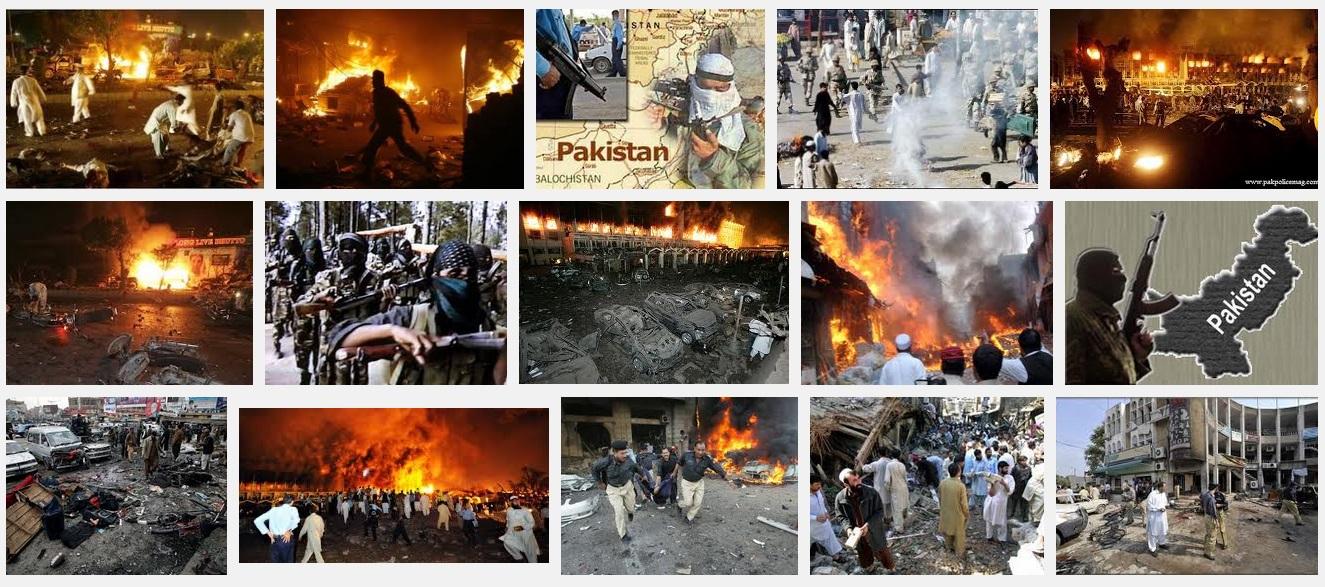
Despite loss of over 50,000 innocent people in Pakistan, many simple people also fall pray to deviant concepts. Pakistanis are in a state of ideological confusion which is a main hurdle to achieve peace, the basic condition for progress. While countries with much less population and resources have become our donors, we a nuclear power are embroiled in infighting to remain backward. It is customary to put all the blame on foreign conspiracies, while totally ignoring own follies.  The politico-religious wars in Afghanistan, Iraq, Syria, Libya and Tunisia have taken heavy toll also brewing up in Egypt. In order to get Pakistan out of this quagmire some basic issues need to be resolved to evolve a broad consensus among people holding conflicting views.
Three Groups:
“Then We conveyed the Book as an heritage to those of Our slaves whom We chose. Now, some of them are those who wrong their own selves, and some of them are mediocre, and some of them are those who outpace (others) in righteous deeds with Allah‘s permission. That is the great bounty”(Quran;35:32)
Ideologically the Pakistani society at present can be divided in to three main groups:
Firstly; the elite and the liberals:
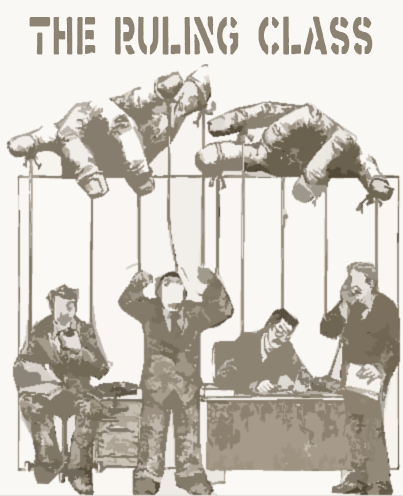
They are less than 1% in numbers but are the most powerful, control more than 50% national wealth while 99% people have to live in poverty at average income of 500 $ per year. It includes politicians, feudal, industrialists, business men, bankers, civil and military bureaucracy, media groups and other mafias controlling other sources of economic and social power. They consider religion as personal affair of an individual and that Islam should be restricted to the mosques for worship, it should have no say in the public affairs like law and social aspects.  Some times they display their religiosity just to get favours form public i.e. to get votes in elections or to change public opinion. They use power, wealth and coercion to crush any resistance to their interests. Here the term “elite” include their supporters, sympathisers and potential candidates form all segments of society to join this club.
The elite include some fascist liberals who consider all the religiously inclined people to be primitive hardliner, fundamentalist, rigid extremists, devoid of intellect, ignorant bigots. They think that religious people are the source of all the ills of society and impediment to progress.
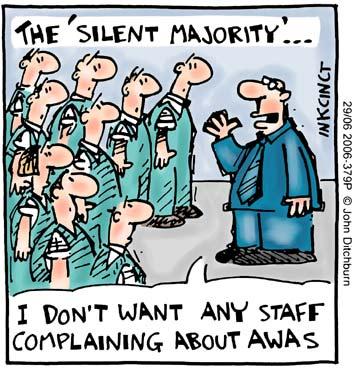
Secondly the Silent Majority:  
“And thus have We made you to be a moderate community, so that (with your lives) you might bear witness to the truth before all mankind, and that the Apostle might bear witness to it before you.” (Quran;2:143).
This is the bulk of population, sandwiched between Elite and Religious Extremists. They are moderate religiously inclined but mostly non practicing Muslims. However they consider that implementation of Islam and Shari’a will provide them social and economic justice and save them for the tyranny of Elite and Extremists.
They revere Islam but lack in practice, laying, deception, fraud corruption is rampant. Some practice Islam in rituals but lack in Haqooq-Al Ibad [service to fellow beings]. They are influenced by moderate Ulema inclined towards Sufi Islamic traditions. Since they are not influential, their voice is lost. They comprise people from all segments of society. Thousands have lost their lives in the terrorist attacks by extremist militants.  
Thirdly: The Muslim Militants & Their Supporters:
Majority of Muslims desire implementation of Shari’a peacefully through democratic system. However some extremist elements like Taliban has opted to for violence and terrorism as means to this end. They consider killing and terrorism as justified Islamic means, which has been rejected unanimously by all the eminent scholars. However there are people who provide tacit support either in reaction to the existing unjust system of rule or under influence of propaganda.
The Imams and Khateebs of mosques enjoy considerable influence in the society. They enjoy unrestricted freedom to talk what ever they like in the Friday sermons or in other religious gatherings. Since mostly they have limited understanding of the system of governance and politics, their influence has negative impact.
No one dare question them while addressing form pulpit. Unlike Middle Eastern Arabs, Pakistan government has no control over them. Mostly they appear to be favouring the extremists and militants though tacitly. They do not openly condemn the killing of innocent people; use of general phrases is used to satisfy feelings of majority. In the supplications would pray for the success of all struggling in Jihad and for implementation of Shari’a, which no one can dare disagree. Though Islam does not have official clergy like Christianity and other religions, but these Imams think that they may also get a role or share in power once the Shari’a is implemented.
The military or civilians rulers have always been involved in exploitation and oppression of poor people. People deprived of good governance, social and economic justice are ready to welcome any one who promises to address their problems. Their expectations from people with religious overtones are high because of their apparent piety and outlook. They fail to comprehend that governance is beyond their capabilities, terror cannot solve all their problems.
Disjointed Society:

The society is disjointed in the thought, intellectually, politically, socially and even physically to an extent due to yawning social and economic gap. Hence for the peace and progress, of the people of Pakistan, there is dire need to at least close this gap in their “Thought” with in acceptable limits if it can’t be eliminated altogether.   <<<Keep reading >>>
By Aftab Khan: http://Aftabkhan.blog.com
Related
Urdu: http://pakistan-posts.blogspot.com/2013/11/pakistan-basic-issues-need-immediate.html
https://dl.dropboxusercontent.com/u/12798195/FreeBooks/PakistanQuagmare.htm